
September 29, 2026
Hotel Venue Event
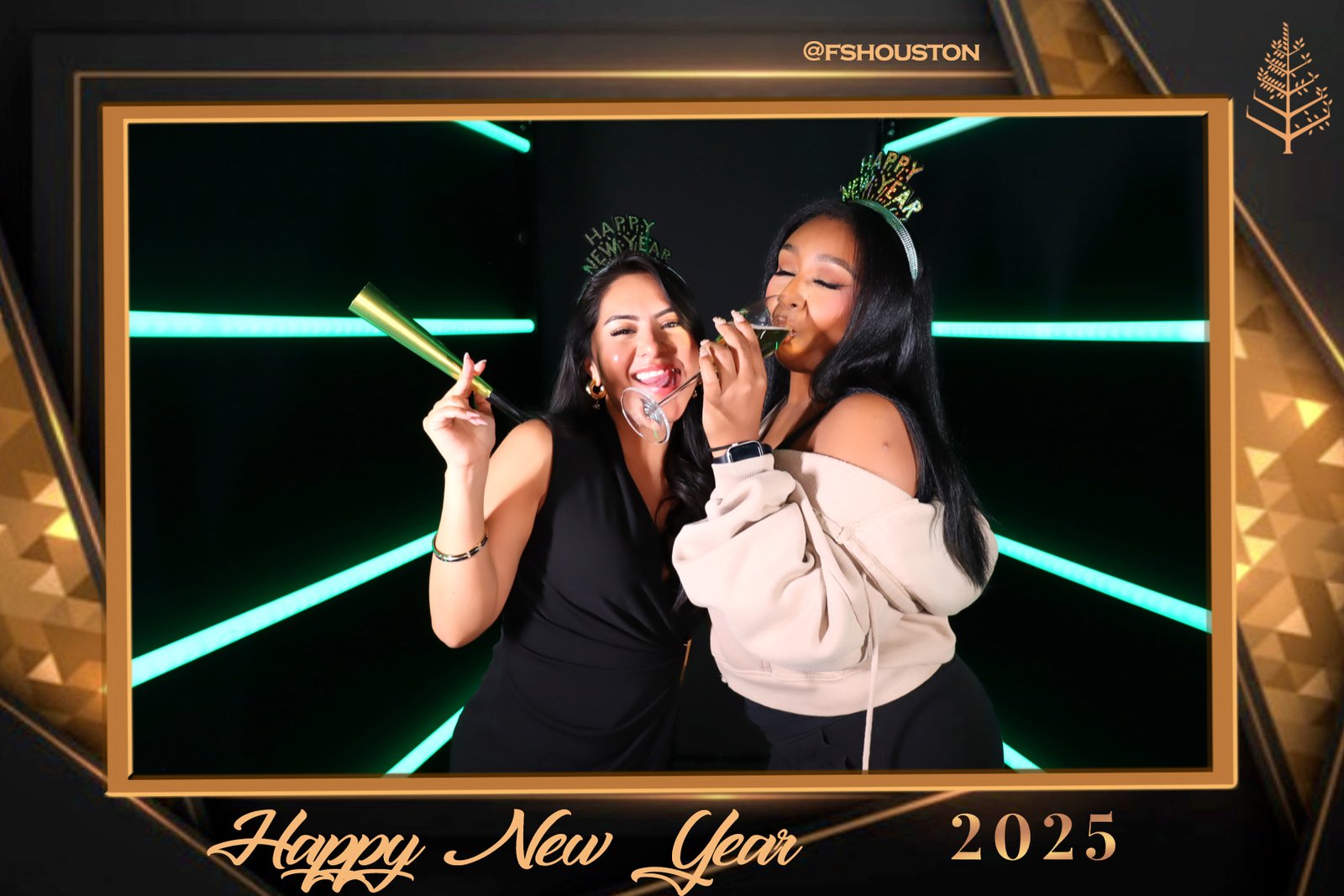
- Properties lose group business on differentiation, not price.
- Three models: referral, preferred vendor, or an embedded signature experience.
- Revenue shows up in F&B attachment and rebook rate, not vendor commission.
- Match the experience to your awkward spaces — pre-function areas and transition moments.
- A preferred-vendor arrangement adds no headcount and no capital.
On every site visit, a planner asks some version of the same question: what can you do here that the property across the street cannot? Most sales teams answer with the room. The planners who sign are the ones who heard an answer about the experience.
The site-visit question you keep losing
Two comparable Houston properties, similar square footage, similar rate. The planner tours both. Property A walks the ballroom, describes the AV package, and talks about the renovation. Property B walks the ballroom, then stops in the pre-function area and describes a specific branded experience that has worked there — what it looked like, how it flowed, what the client got out of it, and how it made the transition into dinner feel deliberate.
Property B is selling something the planner can picture presenting to their own client. Property A is selling square footage. Same room, different sale.
This is not about spending capital on an installation. It is about having a partner and a set of proven answers.Sell the experience, not the square footage. The room is table stakes.
Three partnership models
- Referral. You pass the planner a name; the vendor contracts directly with the client. Zero risk, zero capital, and almost no differentiation — the planner could have found them. Fine as a starting point.
- Preferred vendor. A named partner who knows your property: ceiling heights, power drops, load-in path, elevator dimensions, the union rules if you have them, and which corner of the pre-function area actually works. Named in your sales collateral. This is where most properties should land. No headcount, no capital, real differentiation.
- Embedded signature experience. A recurring or semi-permanent activation associated with the property — the thing planners request by name and guests photograph in the lobby. Highest differentiation, and the only model that requires real commitment and some capital.
Where the revenue actually comes from
Be clear-eyed: vendor commission is not the reason to do this. On a $4,000 activation the commission is a rounding error against a group’s room-night value.
The return shows up in three places:
- Group business won on differentiation. One additional 200-room-night group per year, won because your sales team had a better answer on the site visit, dwarfs any commission line.
- F&B attachment. Guests who stay in a space longer spend more in it. A well-placed experience that holds a reception for an extra thirty minutes is a beverage revenue event, and it is measurable.
- Rebook rate. The cheapest group to win is the one that was here last year. Events that felt distinctive get rebooked; events that felt like a ballroom get re-bid.
Track those three, not commission, and the arrangement justifies itself quickly.
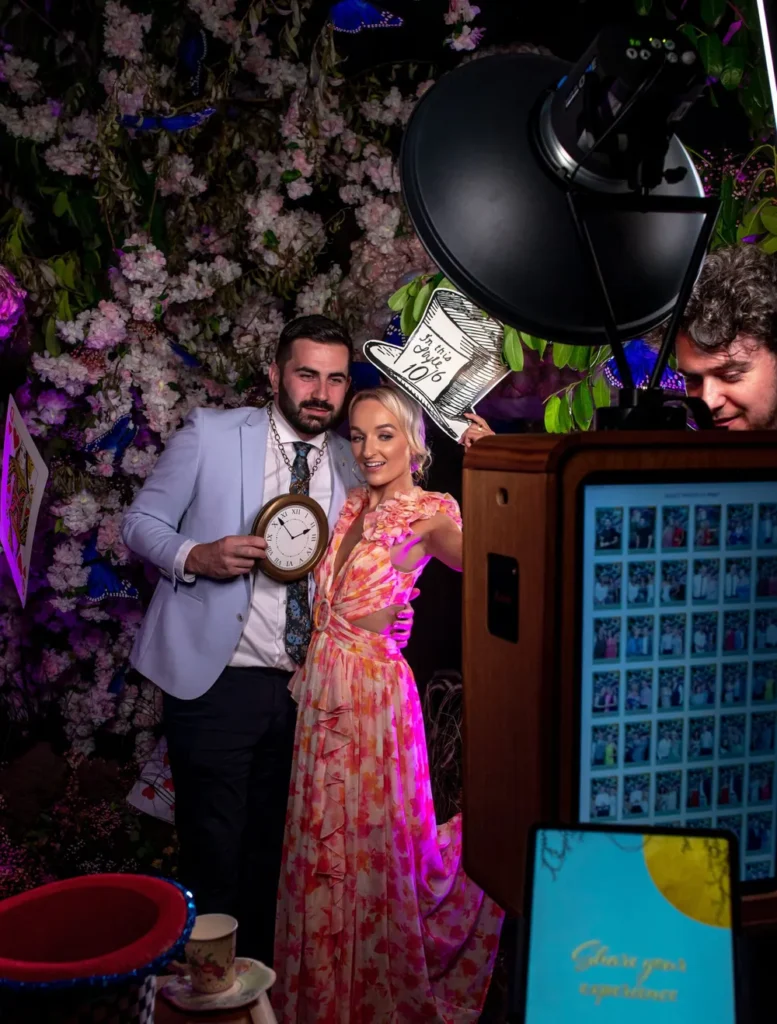
Placed in a pre-function area to hold the reception longer. Dwell time is a beverage revenue lever, not just an experience one.
Matching experiences to your spaces
The obvious move is to put an activation in the ballroom. Usually the better move is to put it in the space you struggle to sell.
- Pre-function and foyer areas. Often the hardest space to make feel intentional, and the best home for an activation. Solves arrival and holds the reception.
- Transition moments. The gap between reception and dinner is where events lose energy. A well-placed experience makes it feel designed rather than procedural.
- Rooftops, terraces and pool decks. Strong content backdrops, but confirm weather contingency and wind loading before anyone promises anything.
- Lobbies. High visibility, and where a signature experience earns its keep — but check that it does not conflict with transient guest flow.
- Awkward-ceiling rooms. Historic and boutique properties are full of beautiful rooms with 9 ft ceilings. Those rooms rule out a 360 booth and are perfect for a robot camera arm or a vogue-style experience. Knowing that turns a liability into a selling point.
Operational rules that protect the property
Before naming anyone preferred, get these in writing:
- Insurance and compliance at the limits your risk team requires, with the property named as additional insured.
- A documented load-in process — dock times, service elevator use, floor protection, cart specifications, and who supervises.
- A named on-site contact reachable during the event, not a dispatch number.
- Power requirements declared in advance, in writing, per experience. This is the most common source of day-of conflict.
- A clean strike standard and a defined window, so the space turns for the next booking.
- Data handling. Confirm that any guest data collected belongs to the client, not the vendor, and is not retained for vendor marketing. Your legal team will eventually ask; better to have the answer.
How to start without adding headcount
A workable ninety-day version:
- Pick one partner and walk the property with them. Have them document ceiling heights, power, load-in and the three best activation positions.
- Build three packaged answers at three price points, written in planner language, that your sales team can present without needing to call anyone.
- Add them to the site-visit script and the digital sales kit, with real photography from your property once you have it.
- Run it on two or three groups and capture the content, the F&B numbers, and a planner quote.
- Review at ninety days against differentiation and rebook signals, not commission.
No new headcount, no capital, and by month four your sales team has a genuinely better answer to the only question that matters on a site visit.
Snapix works as a preferred activation partner for venues and hotels across Texas, white-label, with the property’s constraints documented before anything is promised. See the venue and hotel partnership terms or arrange a property walk-through.