
September 29, 2026
Photo Booth vs Brand Activation
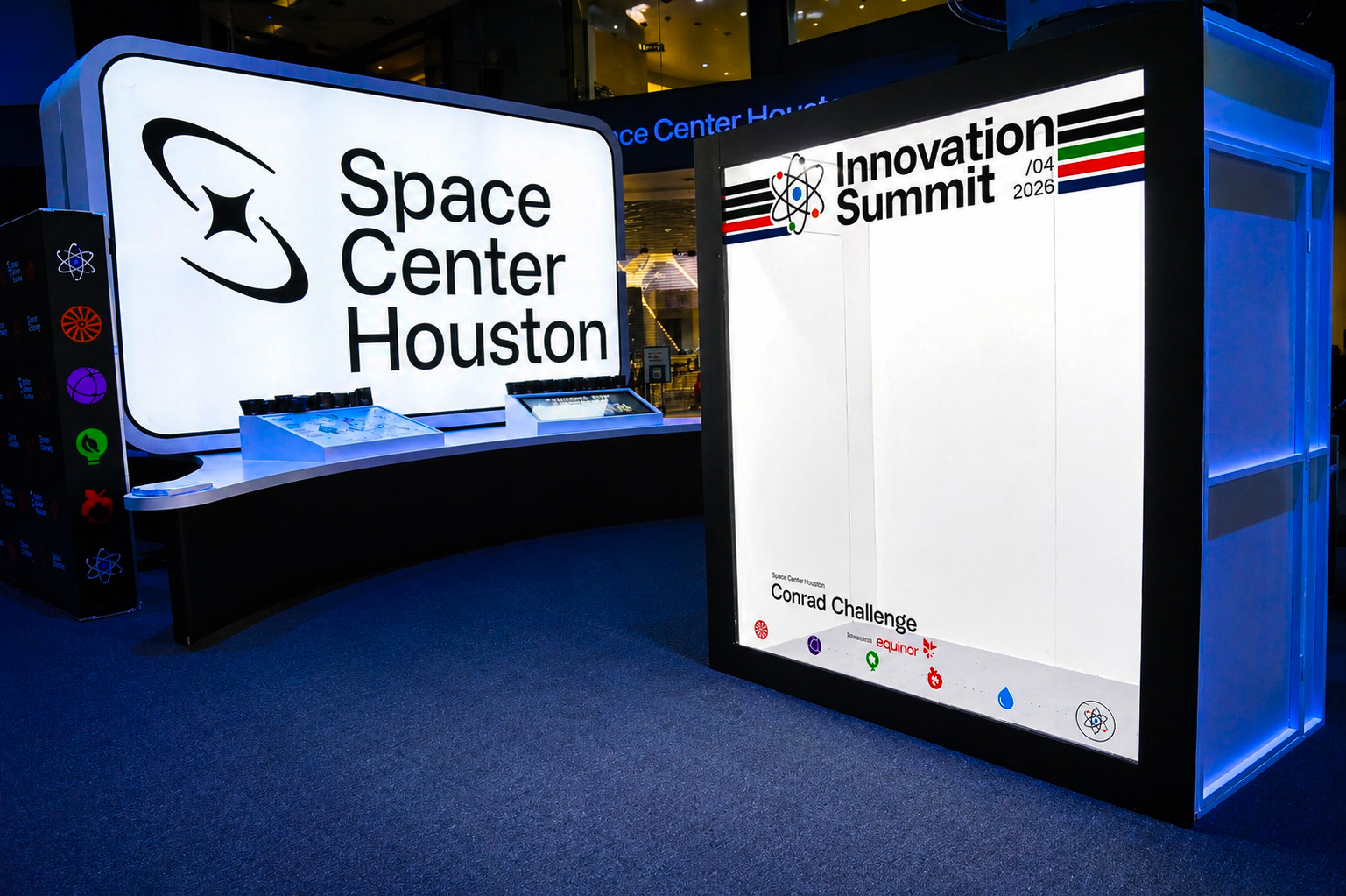
- A photo booth is equipment you rent. An activation is an outcome you commission.
- The dividing line is whether the experience has a job in the run of show.
- Branding means the whole environment, not a logo on a print template.
- Houston pricing runs roughly $1,500–$2,500 for a straight booth rental and $4,500–$6,000+ for a designed activation.
- If the experience has to generate content, data, or a sponsor impression, you need an activation.
Two quotes land on the same desk. One says photo booth rental. One says brand activation. The second is two or three times the first, and the equipment list looks similar. The obvious conclusion — that one company is overcharging — is the wrong one.
These are different products that happen to share a camera. Understanding where they diverge is the difference between spending money well and spending it twice.
They answer different questions
A photo booth answers a logistical question: how do guests get a photo? It is a piece of equipment with an operator, delivered to a corner of the room, and it does its job well.
A brand activation answers a strategic one: what do we need this room to do? Welcome 400 people who have never met. Give a sponsor something worth their money. Move guests from the reception into the ballroom on time. Produce forty pieces of content the marketing team can use for a quarter. Make the last hour of a gala feel like the best hour.
That difference in question changes everything downstream. When the objective is “guests get a photo,” you optimise for reliability and throughput. When the objective is “this room has a job,” you design backwards from the job.A photo booth is equipment you rent. An activation is an outcome you commission.
What “branded” really means
Almost every photo booth company offers branding. What they usually mean is a logo placed on the print template and possibly a graphic on the booth shell. That is branding in the narrowest sense, and guests barely register it.
In an activation, branding means the environment. The backdrop is built for the event, not pulled from a catalogue. The lighting matches the room’s colour temperature. The on-screen interface carries the campaign type. The physical props, if there are any, belong to the concept. The staff are briefed on the client’s language.
The practical test: photograph the activation with the guests removed. If it still reads unmistakably as that client’s event, it is branded. If it reads as a rented booth with a sticker, it is not.
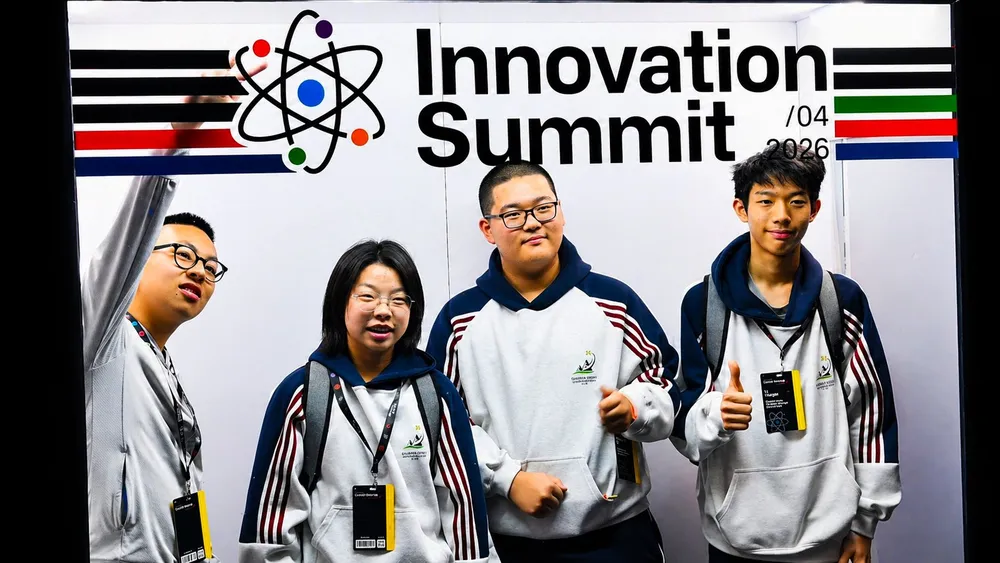
A built environment: custom backdrop, matched lighting, staffed capture. The camera is the least interesting part of the setup.
The output is the real difference
A booth produces prints and a gallery. Useful, finite, and the value ends when the event does.
An activation is specified around what happens after. That usually means some combination of:
- Content the marketing team can actually use — correctly sized for the platforms it is destined for, colour-consistent, and delivered fast enough to post while the event is still relevant.
- Opt-in data — collected transparently, in a format that lands in the client’s CRM rather than a spreadsheet nobody opens.
- Sponsor-attributable impressions — a countable number a sponsor can put in their own recap, which is often what justifies their spend next year.
- A recap the client can circulate internally — the thing that gets the budget renewed.
None of that is magic. It is scoping. But it has to be decided before the event, not requested afterwards, which is why the two products cost different amounts.
Staffing and the run of show
A booth attendant keeps the equipment running and helps guests use it. That is a real job and a good attendant is worth paying for.
Activation staff have a different remit. They are managing a queue so it never becomes a bottleneck, directing guests so the content is actually usable, protecting the client’s brand language, and coordinating with the production team so the experience opens and closes on the run of show rather than whenever it feels natural.
On a 500-person event that difference is roughly the gap between a corner of the room that works and a corner of the room that becomes a problem at 8:40pm.
What each one costs
Snapix quotes in four bands, and the honest way to read them is as increasing amounts of design and staffing rather than increasing amounts of equipment:
- $1,500–$2,500 — a straightforward premium booth rental with an attendant, standard backdrop, prints and gallery.
- $2,500–$3,500 — a premium branded experience: custom template and interface, a backdrop built for the event, coordinated lighting.
- $4,500–$5,500 — a designed activation: multiple elements, custom environment, a staffing plan, specified content deliverables.
- $6,000+ — large-format, multi-day, multi-city, or installation-scale programs.
A useful sanity check: if a quote sits in the top two bands but the scope of work describes equipment rather than outcomes, ask what the extra money is buying. There should be a specific answer.
Which one your event needs
Most events genuinely need the booth. A holiday party, a staff appreciation night, a birthday — guests want a photo, the photo makes them happy, and paying activation money for it is waste.
You need an activation when the experience carries a load. A product launch where the content is the campaign. A conference where a sponsor is paying for presence. A corporate event where the CMO will be asked what it returned. An incentive program where the client is being sold a destination, not a party.
The test is one sentence long: does this experience have a job beyond making guests happy? If yes, brief it as an activation. If no, rent the booth, hire a good attendant, and spend the difference on the food.
Snapix designs both. If you are not sure which one your event needs, describe the room and the objective and we will tell you honestly — including when the cheaper answer is the right one. See what we build, browse the experience catalogue, or read about photo booth rental in Houston.